
Delays Threaten South China Sea Accord
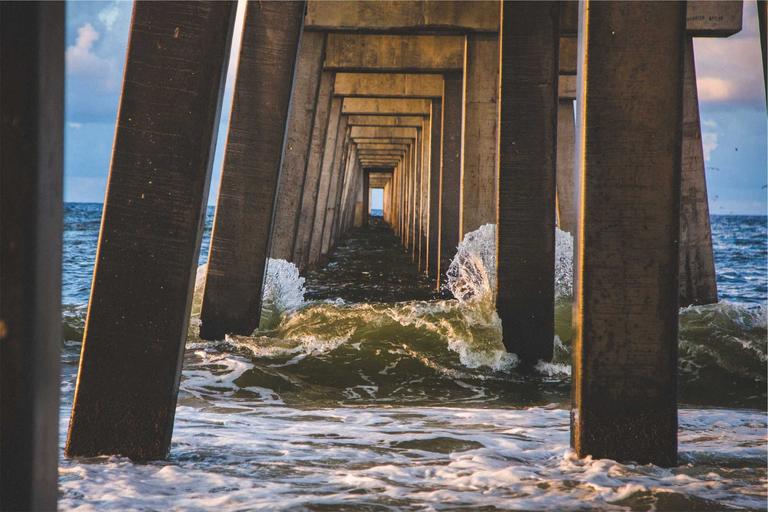
Credit: Image via Picsum
The Explanation
The Philippines' prime minister Anwar Ibrahim warned that postponing the finalising of the South China Sea Code of Conduct could invite external powers to exploit the stalemate. The code, long‑awaited by Manila, Kuala Lumpur, Beijing and other claimants, is meant to set rules for navigation, fishing and resource exploitation. Without a binding framework, the region remains vulnerable to manoeuvres by nations outside the immediate dispute, such as the United States or Japan, who may increase patrols under the guise of freedom of navigation. This risks turning a regional disagreement into a proxy arena for great‑power rivalry. The delay also undermines confidence among ASEAN members, many of whom rely on the code to reassure domestic audiences that their waters are protected. Trust erosion could stall other cooperative projects, from disaster response to trade facilitation. In response, Anwar urged the parties to reconvene swiftly, stressing that a collective, rules‑based approach is the only realistic path to de‑escalation and sustainable development of the sea’s abundant resources.
Content Transparency
This article uses AI-assisted summarisation and explanation based on the original source report. Please review the original source for full detail and additional context.
What This Means for You
Readers in the region and beyond feel the ripple of any South China Sea instability, because it can affect shipping costs, energy prices and even tourism. A delayed Code of Conduct means the waters may become a stage for outside navies, raising the risk of incidents that could disrupt trade routes that supply everyday goods to households across Asia and Europe.
Why It Matters
Should the code stall, ASEAN’s credibility as a conflict‑resolution bloc could be tarnished, inviting more unilateral actions by major powers. This may push claimant states to harden their positions, heightening the chance of accidental clashes. In the long term, the lack of a shared rule‑book could impede joint development of fisheries and hydrocarbons, stalling economic benefits for all coastal nations.
Key Takeaways
- 1Negotiations on the South China Sea Code of Conduct have been delayed.
- 2Malaysian Prime Minister Anwar Ibrahim warns the delay could invite foreign interference.
- 3The code aims to set rules for navigation, fishing and resource exploitation among claimants.
Actionable Takeaways
Quick Summary (Social Style)
What do you think?
Rate this explanation
Quick Poll
Was this article easy to understand?
Comments
0 Comments
No comments yet. Be the first to comment!