
Greek Wildfire Threatens Thessaloniki
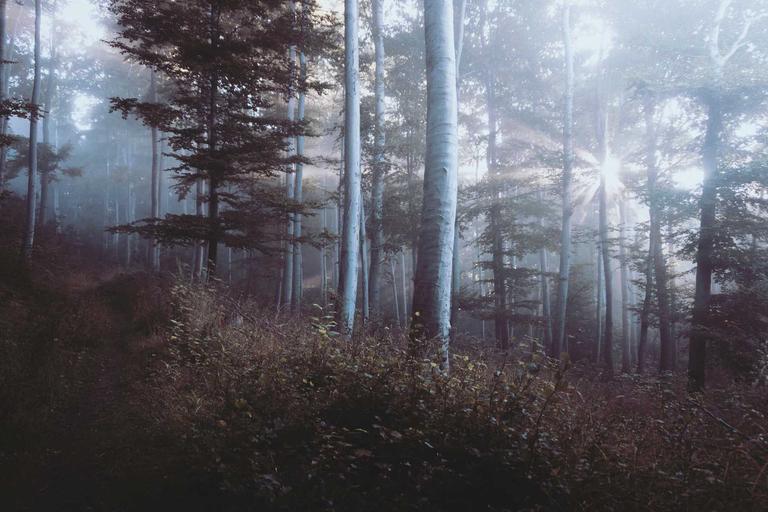
Credit: Image via Picsum
The Explanation
In the early hours of Tuesday, a blaze erupted on the outskirts of Thessaloniki, fed by a dry summer heatwave and gusting winds that turned dry scrub into a fast‑moving inferno. Satellite images showed the fire spreading across a kilometre of pine forest within hours, prompting an urgent alarm.
More than a hundred firefighters, backed by aerial water bombers and local volunteers, descended on the scene. The terrain, a mix of steep slopes and tangled undergrowth, slowed ground crews, while shifting winds forced them to constantly reposition containment lines, stretching resources to the limit.
Tragically, one resident lost their life as the flames reached a nearby settlement, underscoring the human toll of such disasters. Neighbourhoods were evacuated, schools closed, and the smell of smoke lingered over the city, reminding citizens that even urban peripheries are vulnerable.
The incident arrives at a time when Greece records its hottest summers on record, a pattern scientists link to climate change. It has reignited debate over forest management, early‑warning systems and the need for greater investment in fire‑fighting infrastructure to protect both lives and the natural landscape.
Content Transparency
This article uses AI-assisted summarisation and explanation based on the original source report. Please review the original source for full detail and additional context.
What This Means for You
For readers, the fire illustrates how climate‑driven extremes can turn ordinary summer heat into life‑threatening emergencies, even in well‑populated regions. Understanding the challenges faced by emergency crews helps citizens appreciate the importance of community preparedness, supporting policies that fund fire‑prevention, and recognising the personal steps they can take to reduce risk in their own neighbourhoods.
Why It Matters
The Thessaloniki blaze adds to a growing catalogue of Mediterranean wildfires that strain national resources and test government response capacities. If such events become more frequent, Greece may need to overhaul its forest‑clearance regulations, expand its aerial firefighting fleet, and integrate climate‑adaptation strategies into urban planning, setting a precedent for other fire‑prone nations.
Key Takeaways
- 1Over 100 firefighters and aerial units battling the blaze.
- 2One fatality reported as flames reached nearby homes.
- 3Strong winds and dry conditions hampered containment efforts.
Actionable Takeaways
Quick Summary (Social Style)
What do you think?
Rate this explanation
Quick Poll
Was this article easy to understand?
Comments
0 Comments
No comments yet. Be the first to comment!